The Turkish proverb quoted at the beginning says:
“Obstinacy belongs to the ignorant, quarrel to the foolish, silence to the intelligent, and law to the wise.”
This short saying teaches an important moral lesson. It tells us that stubbornness is a sign of ignorance. Constant arguing shows a lack of understanding. In contrast, silence is connected with intelligence, because wise people do not speak without thinking. Finally, the word “law” or “religious law” (şeriat) is connected with true wisdom and deep knowledge. The proverb reminds us that character and behavior show a person’s level of understanding The Transfer of Antiquities After the War.
This quotation comes from Manuscript 725, which is preserved in the Gennadius Library of the American School of Classical Studies at Athens. The saying has also been discussed by modern scholars who study Greek and Turkish literary traditions, especially in connection with Phanariot poetry and Karamanlidika books of the eighteenth and early nineteenth centuries.
Abstract and Aim of the Article
This article focuses on a subject that has not received enough attention in art history. It introduces important material from the post-Byzantine period in Anatolia. The post-Byzantine period refers to the centuries after the fall of Constantinople in 1453, when the Byzantine Empire came to an end but Byzantine artistic traditions continued in new forms.
The study examines a representative group of Greek Orthodox icons that are now kept in Turkish museum collections. These icons were originally created for churches and private devotion. Today, however, they are preserved as museum objects. The article tries to understand not only their original meaning but also their “post mortem lives.” This phrase refers to what happened to the icons after they were removed from their original religious settings. It explores how their meaning and function changed over time.
Byzantinism in Style and Iconography
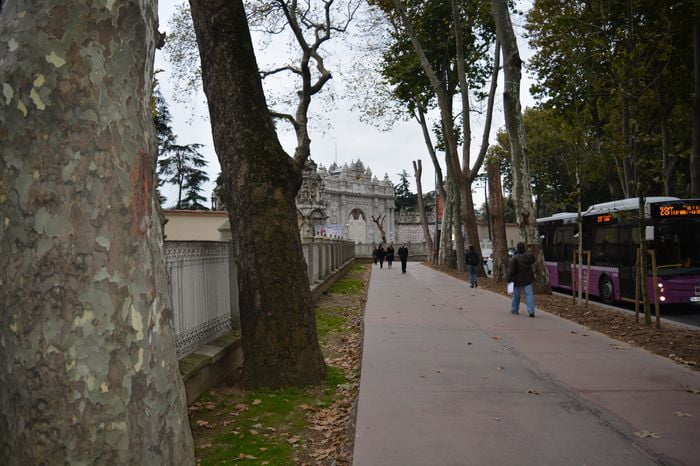
One of the main themes of the article is the idea of “Byzantinism.” Even after the fall of the Byzantine Empire, artists continued to use Byzantine styles and iconographic models. This means that the form, composition, colors, and religious symbols in the icons often followed older Byzantine traditions Walking Tour Istanbul.
For example, figures of Christ, the Virgin Mary, and the saints were painted according to established patterns. Their gestures, facial expressions, and clothing followed long-standing conventions. In this way, post-Byzantine art kept a strong connection with the past.
However, these icons were not simple copies. They were created in new historical and cultural circumstances. Anatolia, under Ottoman rule, was a land of many religions and ethnic groups. Greek Orthodox communities lived side by side with Muslim and other Christian communities. This environment influenced artistic production in subtle ways.
Cultural Identity and Personal Devotion
The article also highlights the importance of cultural identity. For Greek Orthodox communities in Anatolia, icons were more than works of art. They were expressions of faith and identity. They helped preserve religious traditions and community memory during times of political change.
Personal piety and devotion also played a central role. Many icons were commissioned by individuals or families. Donor inscriptions sometimes reveal the names of those who ordered the icon and the reasons behind their gift. These objects were often linked to prayers for health, protection, or salvation.
When these icons entered museum collections, their role changed. They were no longer objects of worship but historical and artistic artifacts. By studying them carefully, scholars can better understand the religious life, artistic traditions, and cultural identity of Greek Orthodox communities in post-Byzantine Anatolia.
In this way, the article brings new material into academic discussion and opens the door to further research on a rich but often overlooked field of art history.